Tell me where you're at. I'll point you to the right place.

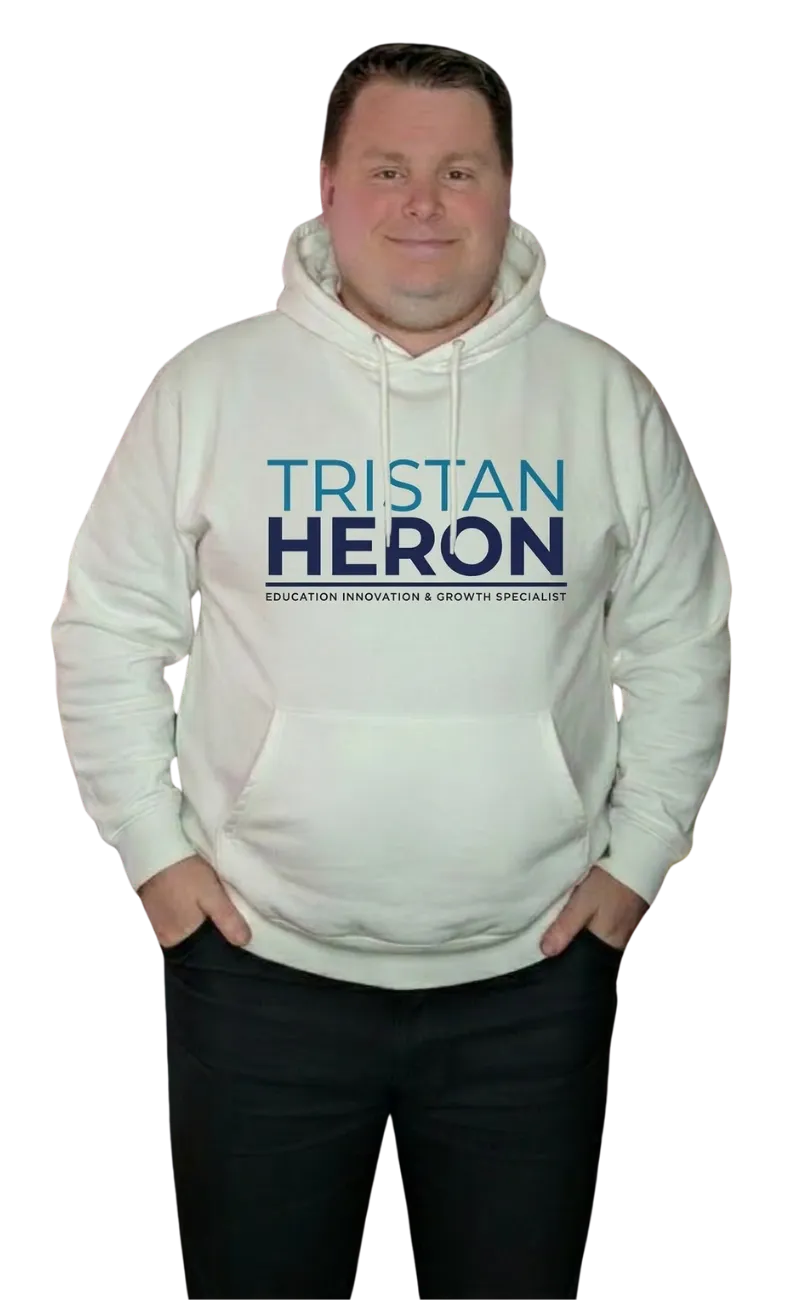
A teacher who gets it - because he's still in it.
I've been teaching in primary and secondary schools since 2011. Early on I saw how the right tools could lift engagement and learning - not replacing good teaching, but backing it up.
So I built Evolve EdTech and the Empowered Educator Hub: a place to grow your skills, confidence and impact, inside the classroom and beyond it. Everything I share, I've tested with real students first.


Everything you need to take your next step.
Free to start. Go deeper when you're ready.




Real teachers. Real classrooms.
The Hub has helped me feel much more confident using AI and EdTech in my classroom. Everything is practical, easy to follow and designed with busy teachers in mind.
I love that I can find ideas I can actually use straight away. The resources have saved me planning time and encouraged me to try tools I probably wouldn't have explored otherwise.
The templates and AI ideas have been incredibly useful. I can take an idea from the Hub, adapt it for my students and have something ready to use without spending hours creating it myself.
The Hub has given me plenty of ideas that I can share with staff. The resources are clear, approachable and useful for teachers with very different levels of confidence with technology.
I don't have hours to spend learning complicated new platforms. The Hub gives me simple ideas, useful resources and practical guidance that I can fit around everything else teachers have to do.
The Hub feels like professional learning I can access when I actually need it. I've found plenty of ideas that I can use myself and then share with the teachers I support.

Imagine walking into class each day completely confident in the tools you use.
Your lessons are engaging, your students are motivated, and your time is spent teaching - not troubleshooting. You have a library of resources at your fingertips and a community of educators who get it.
This isn't just about technology. It's about feeling proud of the learning you create, and knowing you're preparing your students for the future.
Honest writing for educators ready to evolve.

Your Knowledge Is Worth More Than You Think
Every person carries knowledge, experience, and skills that could genuinely help someone else, and most of us underestimate just how valuable that is. Whether it's wellbeing, sport coaching, a particular culture, or classroom expertise built over years, there's likely someone out there looking for exactly what you already know. Getting started costs nothing: a Facebook page, an Instagram or TikTok account, a simple website, or even a phone-recorded podcast are all genuinely free ways to begin sharing.
I want to talk about something I think more people, not just educators, need to properly recognise: what's sitting in your head right now is genuinely valuable, and most of us don't realise just how much.
Why do people underestimate their own knowledge?
Because it feels ordinary to you. Whatever you've built up over years of experience feels like common sense from the inside, even though it's exactly what someone else is actively searching for.
Every person on this planet carries knowledge, experience, and skills that are genuinely worth something to somebody else. That knowledge can be the answer, the inspiration, or the missing piece someone needs while they're trying to learn or achieve something themselves.
I think part of the issue is that we compare our own knowledge to the most polished, most confident voice we can find online, and conclude we don't measure up. But that comparison is unfair to yourself. Most of the value in shared knowledge doesn't come from polish. It comes from someone genuinely knowing what they're talking about, and being willing to say it plainly.
What made you start sharing yours?
In 2020, I started as The EdTech Teacher, with a simple goal: share my love of EdTech with other educators. COVID accelerated that timeline faster than I expected, and it made the importance of sharing this knowledge even clearer.
I'm here because I want to help. I'm still in the classroom five days a week, still teaching, still doing everything else that comes with the job, alongside sharing what I know. I'm not someone who stepped away from teaching a decade ago and started telling people what to do from the outside. I'm living the same reality as the people I'm trying to help.
That distinction matters more to me than almost anything else about how I do this. Advice from someone no longer in a classroom can still be useful, but it carries a different weight to advice from someone marking the same kinds of assessments, managing the same kinds of behaviour, and facing the same Monday mornings you are.
Why does that matter so much to you?
My mentor, Sarah Cordiner, puts it in a way that's stuck with me: think about who you needed when you were starting out.
I began my own EdTech journey back in 2012, and I didn't have that person to learn from. YouTube existed, but nowhere near as detailed or established as it is now. The internet existed too, obviously, but the level of access we have today to genuinely knowledgeable people simply wasn't there.
You might be the person someone else is looking for right now, the same way I was looking for someone back in 2012.
That's genuinely worth sitting with for a moment. Somewhere right now, a teacher is googling exactly the problem you solved years ago in your own classroom, and coming up empty. The gap you filled through years of trial and error could save them that same struggle, if only they knew you'd already worked it out.
What kind of knowledge actually counts as worth sharing?
Far more than you'd assume. You might be genuinely strong in student wellbeing, sport coaching, or a specific cultural area, perhaps you work as an Aboriginal education officer, or you carry deep knowledge in a particular community or context most people don't.
That knowledge could help a pre-service teacher still at university, a beginning teacher in their first five years, an experienced teacher, or a casual teacher piecing together their week. There are people out there who need exactly what you know, and you might be the one who has it.
How do I actually start sharing my knowledge without spending money?
There are several genuinely free ways to begin.
Create a Facebook page. It's one of the simplest ways to get started. My advice, learned from my own experience: start under your own name rather than a business name. I did the opposite, and branding is something you can always add later.
Start a Facebook group instead, if that fits better. Also free, also simple.
Claim your handles. Grab an Instagram account and a TikTok account, and start posting short videos. No cost involved.
Build a simple website. My very first website used Wix, which I paid for. I've also used Google Sites, which is genuinely free if you have access to Google Workspace.
Try free webinars or workshops. If you have access to platforms like Facebook, running a free live session is a genuinely accessible way to share knowledge through video.
Start a podcast. A simple phone recording is enough to get something out into the world for people to listen to.
Want a deeper look at how I've actually used tools like Google Sites and podcasting to build this out myself? Explore more inside the Empowered Educator Hub, where I break down exactly how these pieces fit together.
What if I want to take it further?
If you're ready for something a bit bigger, platforms like Teachers Pay Teachers are worth considering. We've recently launched our own Teachers Pay Teachers store here at Tristan Heron, sharing worksheets, units, and resources built from years of classroom experience.
That's one path among many. The free options above are more than enough to genuinely start, and there's no requirement to build toward anything bigger unless that's something you actually want.
Not everyone sharing their knowledge needs to turn it into a business, a store, or a side income. Plenty of people find real value in simply posting to a small Facebook group of colleagues, or running an occasional free webinar for their department. The scale is entirely up to you.
What do you actually want people to take away from this?
That the knowledge sitting in your head is worth far more than you currently think it is. Ask yourself who or what you were looking for when you first started out, because right now, someone else is looking for exactly that. You might be the person, or the resource, they need to find.
If you want to see how these pieces fit together in practice, explore what's inside the Empowered Educator Hub. We cover exactly this kind of thing, practically and honestly.
Tristan